Best U.S. destinations for a company retreat

Samantha Shankman

Company retreats, or offsites, are more essential than ever in 2024. With the rise of remote and hybrid teams, offsites offer the opportunity to reconnect and strategize in person and outside an office setting.
Bringing teams together comes with many benefits, including enhanced communication, improved morale, deeper relationships, and stronger team dynamics. Retreats also create an environment where teams can focus on strategic planning and goal-setting without office distractions. Plus, a change of scene and dedicated time for creative thinking can lead to innovative ideas and solutions.
And finding a great location for a company retreat can be essential for the event’s success.
Types of Company Retreats
While the office is a de facto location, studies show that getting colleagues out into nature and breaking up the routine can enhance productivity and creativity. The ideal setting is influenced by the group and the goals.
So, before setting out to find the perfect place for a company retreat, let’s start by considering some common types of retreats.
- Team-Building Retreats: These offsites are focused on activities that strengthen collaboration and communication among team members. These often include workshops, games, and outdoor adventures designed to build trust and cooperation.
- Executive Retreats: These retreats bring together the leadership team to discuss high-level strategy, long-term goals, and the company’s vision. They allow executives to align on key initiatives and make critical decisions away from the daily office distractions.
- Skill Development Retreats: These offsites enhance team skills, such as leadership, creativity, or technical abilities. These retreats might feature expert-led seminars, hands-on training, and collaborative projects.
- Wellness Retreats: These retreats focus on employees’ health and well-being. Activities may include yoga sessions, meditation, fitness classes, and nutritional workshops to promote a healthy work-life balance.
- Innovation Retreats: Innovation offsites aim to spark creativity and new ideas. These retreats often involve brainstorming sessions, innovation workshops, and collaborative problem-solving activities to inspire out-of-the-box thinking.
Top Destinations for Company Retreats in the U.S.
With the group and goals in mind, it’s time to consider some unique places and suggested hotels for your next company retreat.
1. Franklin, Tennessee

An hour outside Nashville, Franklin — known for its historic downtown and vibrant music scene — is perfect for companies looking to combine team bonding with Southern charm.
- Close to Nashville
- Rich history and music culture
- Excellent venues for meetings and events
Southall Farm & Inn offers a luxurious retreat experience focusing on sustainability and farm-to-table dining. The property features beautiful accommodations, a working farm, and a variety of outdoor activities.
- Unique Activities: Farm tours, cooking classes, hiking
- Restaurants: On-site farm-to-table restaurant
- Facilities: Meeting spaces, luxurious accommodations, outdoor activities
2. Hill Country, Texas

Just outside Austin, Hill Country offers a serene escape with rolling hills, wineries, and outdoor adventures. It’s an excellent spot for companies seeking relaxation and space for a variety of team-building activities.
- Proximity to Austin
- Beautiful countryside and wineries
- Activities like hiking, wine tasting, and boating
Onera Wimberley offers a unique and tranquil retreat experience in the heart of Texas Hill Country. The property features luxurious accommodations, beautiful natural surroundings, and a variety of outdoor activities.
- Unique Activities: Hiking, wine tasting, nature walks
- Restaurants: On-site dining with local cuisine
- Facilities: Luxurious cabins, outdoor pool, meeting spaces
3. The Ozarks, Missouri/Arkansas

The Ozarks provide a picturesque setting with lakes, rivers, and forests. They are ideal for companies wanting a retreat focusing on outdoor activities and team bonding in a natural environment.
- Stunning natural scenery
- Activities like boating, fishing, and hiking
- Quiet and peaceful retreat locations
The Ozarker Lodge offers a cozy and rustic retreat in the heart of the Ozarks. It features comfortable accommodations, access to beautiful natural surroundings, and a variety of outdoor activities.
- Unique Activities: Boating, fishing, hiking, nature tours
- Restaurants: On-site dining with local and seasonal cuisine
- Facilities: Cozy lodgings, outdoor pool, meeting spaces
4. Upstate New York
Upstate New York offers a range of destinations, from the Catskills to the Adirondacks, that are perfect for companies seeking a mix of outdoor activities and charming small towns.
- Diverse outdoor activities
- Quaint towns and cultural experiences
- Beautiful seasonal landscapes
Autocamp Catskills provides a unique glamping experience with luxury Airstream accommodations and upscale tents. Nestled in the scenic Catskills, it offers a blend of nature and comfort, perfect for an inspiring company retreat.
5. Napa Valley, California

Napa Valley is renowned for its world-class wineries and stunning scenery. It’s an excellent choice for companies combining relaxation with team-building activities. Corporate groups can enjoy vineyard tours, wine tastings, and gourmet dining experiences.
- Scenic vineyard tours and wine tastings
- High-end resorts and spas
- Ideal for small- to medium-sized teams
SingleThread Farms offers a luxurious, immersive retreat experience focusing on sustainability and farm-to-table cuisine. The property features a Michelin three-star restaurant, beautiful gardens, and a serene environment perfect for relaxation and team-building.
- Unique Activities: Farm tours, culinary workshops, wine tastings
- Restaurants: On-site Michelin three-star restaurant with farm-to-table dining
- Facilities: Luxurious accommodations, beautiful gardens, meeting spaces
6. Medicine Bow-Routt National Forest, Wyoming
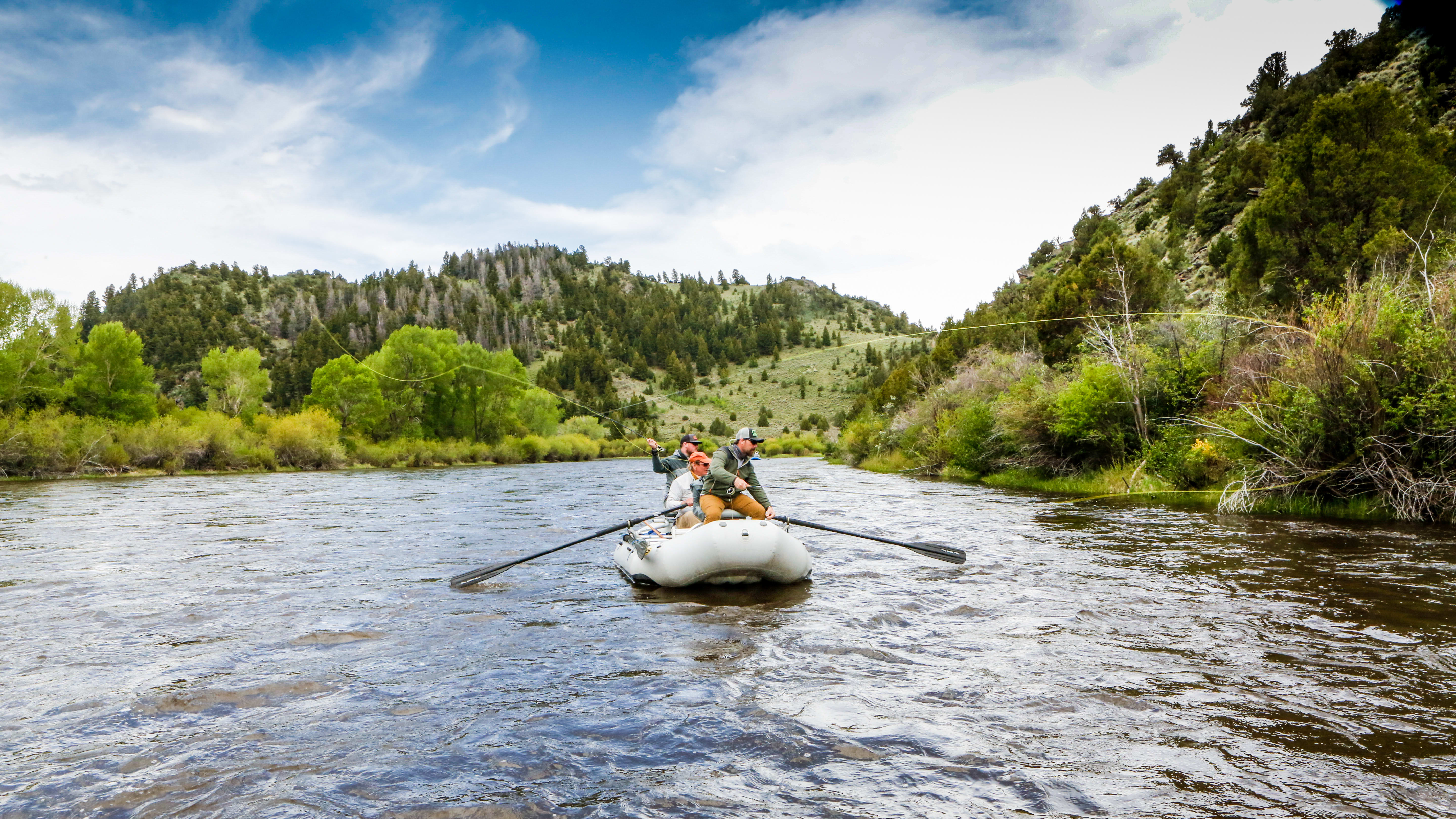
For a rural experience, Wyoming offers an adventurous and rustic retreat experience. With its vast open spaces, stunning landscapes, and opportunities for outdoor activities, Wyoming is an excellent destination for fostering team spirit and rejuvenation.
- Unique, adventurous retreat setting
- Activities like horseback riding, fly-fishing, and hiking
- Ideal for promoting team building and wellness
Brush Creek Ranch offers an authentic Western retreat experience with luxurious accommodations and various outdoor activities. The ranch is perfect for team building and relaxation in a unique and adventurous setting.
- Unique Activities: Horseback riding, fly-fishing, hiking, cattle drives
- Restaurants: On-site dining with ranch-to-table cuisine
- Facilities: Luxurious cabins, meeting spaces, outdoor adventure facilities
7. Blue Ridge Mountains, Virginia

The Blue Ridge Mountains in Virginia provide a serene and scenic environment perfect for a corporate retreat. Located just south of Washington, D.C., this area offers breathtaking views, outdoor activities, and charming towns, making it an ideal destination for team building and relaxation.
- Stunning mountain views
- Activities like hiking, wine tasting on the Virginia Wine Trail, and scenic drives along the Blue Ridge Parkway
- Peaceful retreats and cabins
Salamander Middleburg offers a luxurious retreat experience in the heart of Virginia’s horse and wine country. The resort features elegant accommodations, fine dining, and a variety of outdoor activities.
- Unique Activities: Horseback riding, wine tasting, hiking
- Restaurants: On-site fine dining restaurant with locally sourced ingredients
- Facilities: Elegant accommodations, spa, meeting spaces, equestrian facilities
Planning a Successful Company Retreat
While finding the perfect retreat location can certainly go a long way in guaranteeing a great experience for all guests, the steps and logistics needed to get everyone together is a whole different story. Here are some factors to consider before and after choosing a destination:
- Set Clear Goals: Before choosing a location, identify the primary goals of the retreat. Whether it’s team building, strategic planning, or relaxation, having clear objectives will help you select the most suitable destination.
- Budget and Logistics: Consider the budget and logistical aspects, such as travel, accommodation, and meal expenses. Look for destinations that offer a good balance of cost and amenities.
- Activities and Engagement: Choose destinations that offer a variety of activities to keep employees engaged. From outdoor adventures to cultural experiences, arrange options that cater to diverse interests.
- Feedback and Improvement: Collect feedback from participants after the retreat to understand what worked well and what could be improved for future retreats. This will help you plan more effective and enjoyable events.
Ready to Plan Your Next Company Retreat? Here’s How
The good news is that technology exists today to streamline and automate even the toughest company retreat logistics.
Travel and expense management looks nothing like it did in the past, thanks to innovative technology and AI, which can cut down booking down from hours to minutes and proactively suggest the perfect plane seat. Now, that same innovative is available for company group travel to retreats and offsites:
Organizing group retreats can be challenging, but Navan’s all-in-one travel and expense management solution makes it simple and efficient. The Group Travel tool is designed to streamline the process of planning and booking travel for corporate groups, help ensure compliance with company policies, and provide visibility into travel expenses. Here’s how it works:
- Event Creation: With just a few clicks, easily create and customize events for up to 500 team members based on their preferences.
- Estimated Event Travel Budgets: Navan’s AI-driven algorithms provide accurate travel cost estimates using tools like median price calculations and price-to-beat technology.
- Seamless Guided Self-Serve Experience: Facilitators can set up events, invite participants directly from the event creation page, and guide them through the travel booking process.
- Smart Handoff for Room Blocks: Navan’s Meetings & Events team can help organizers to secure hotel room blocks and meeting spaces directly within the event creation process.
- Guest Invite: Participants can invite an extra guest and book on their behalf, with guests receiving all necessary itinerary information.
Navan’s enhanced Meetings & Events suite pairs the Group Travel tool with Reed & Mackay’s award-winning services, which offer a dedicated event team, dynamic budget management, group travel experts, and 24-hour on-site assistance. This combination of technology and high-end support makes organizing group retreats easier and more effective, enabling companies to foster in-person collaboration and strengthen company culture.
The Power of In-Person Connections
Navan’s mission to power in-person connections is more crucial than ever, especially considering recent studies highlighting the importance of face-to-face communication for brainstorming, problem-solving, fostering teamwork, and building camaraderie.
Whichever location you choose — Napa Valley, Franklin, The Ozarks, Upstate New York, or beyond — Navan can help your team get there.
This content is for informational purposes only. It doesn't necessarily reflect the views of Navan and should not be construed as legal, tax, benefits, financial, accounting, or other advice. If you need specific advice for your business, please consult with an expert, as rules and regulations change regularly.